
Convincing and believable
To avoid being caught out, you need to start by recognising this type of fraud. Which is not easy at first glance.
- Fraudsters use all the channels at their disposal: emails, text messages, phone calls, social media, letters and the rest. So any communication could be fraudulent, regardless of its form.
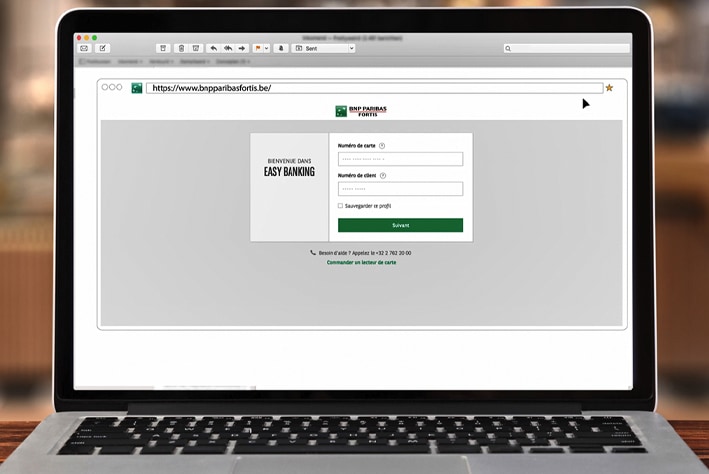
- The logo, font, footer and signature all make the message look like it could be from the alleged sender. Fraudsters can also create perfect copies of official websites. It's hard to tell the difference without checking the URL carefully.
- The message content seems totally credible. And that's normal: fraudsters are very ingenious in devising a plausible scenario.
- Fraudulent messages no longer necessarily contain spelling mistakes.
- The language used is often excellent: fraudsters speak perfect Dutch, English or French. And they are usually very friendly.
- They can spoof phone numbers and email addresses, which seem correct but aren’t.
- They can also do things like intercept an invoice you're expecting by email after purchasing goods or services and change the payee’s account number. So check all the details (sender's email address, phone number etc.) and compare the account number with the one on your order!