

2026 triple shock: Inflation, AI, and Iran war rattle bond markets
Bond markets are facing an unprecedented crisis in 2026, marked by a sharp rise in interest rates, persistent inflation, and geopolitical tensions. 3 major shocks, namely a revived trade war led by Trump, surging AI-driven demand, and the oil crisis in Iran, explain this instability. Central banks are responding by raising rates, but fiscal challenges are deepening investor concerns.
The 3 shocks driving 2026 inflation
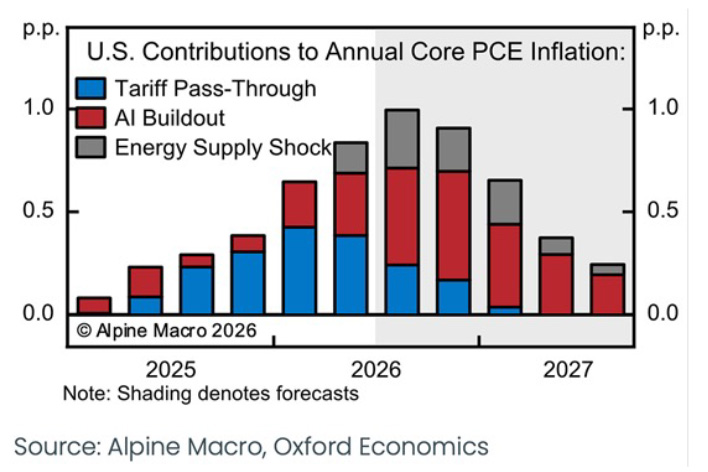
3 key factors explain today's inflationary pressures and bond market turmoil:
- Trump's renewed trade war - Tariffs imposed to cut trade deficits (particularly with China) have disrupted global commerce. Though partially overturned by the Supreme Court, their effects persist.
- AI's explosive demand - Artificial intelligence has created unprecedented demand for electricity, semiconductors, data storage and rare earth metals, pushing prices to record highs. Apple has already raised product prices by 20% due to these costs.
- Iran war and the Strait of Hormuz closure - Since March 2026, this conflict has triggered a sustained oil and gas price surge, worsening inflationary pressures.
Why central banks are raising rates in 2026
Central banks (the Fed, ECB and others) are increasing benchmark rates to avoid repeating 2022's missteps.
Back then, after Russia's Ukraine invasion, prices spiralled while policymakers underestimated the scale - distorted by post-Covid recovery hopes and supply chain normalisation expectations. Only a bond market meltdown forced recognition of the crisis.
When US inflation neared 9%, the Fed aggressively hiked rates, stopping only once it fell below 3%.
Now, there's clear resolve to avoid the same delay. The ECB has raised rates twice, the US has just approved its first hike, and more will follow. Countries from Australia to Sweden have already acted, showing the global scale of the response.
What are the risks for bonds in 2026?
These hikes are critical as bond markets grow increasingly uneasy. US 10-year yields have already topped 5%, while French and Belgian rates exceed 4% - with fiscal outlooks offering little comfort.
Governments are scrambling to cut spending or raise taxes to shrink deficits, but negotiations drag on. Bond markets, notorious for their short patience, are turning up the heat.
What are the experts saying about the public finance crisis?
Top asset managers and US banks are raising alarms over public finance risks, particularly in Belgium and France. This environment will keep central banks on high alert and force governments to craft credible budgets - fast.
Conclusion: a crisis with no quick fix
This triple shock - trade wars, AI demand and Iran's conflict - is fuelling persistent inflation and destabilising bond markets. Central banks are acting, but the challenges remain vast:
- Governments must restore fiscal credibility
- Investors face a far riskier landscape
- The global economy stays under pressure, with little near-term relief in sight
Watch this space in the months ahead.