

The climate transition is ready to rise from the ashes
The climate transition is facing significant challenges at the moment. And so is sustainable investing. However you look at it, though, we only have one planet. Action can be delayed, but not cancelled. This journey has only just begun.
Sustainable investing: facing headwinds or poised for opportunity?
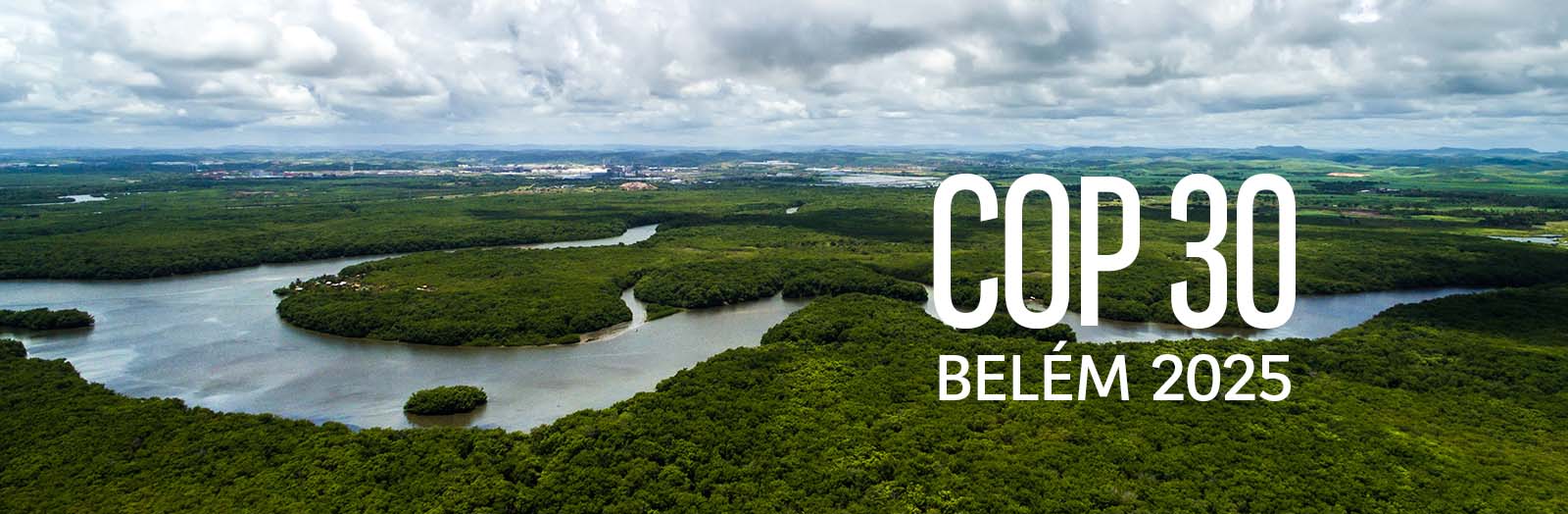
From 10 November, world leaders will gather in Belém, Brazil, for COP30. This edition will focus on the connection between tropical rainforests, biodiversity and the climate crisis. The message from the forest nations could not be clearer: 'We're willing to help protect the rainforest, but we want to be compensated for the economic opportunities we are giving up.'
Time for cash
At COP29, countries agreed to provide at least USD 300 billion per year by 2035 to support the climate transition from North to South. With contributions from the private sector, this figure should rise to USD 1.3 trillion. Without this funding, there will be no technological breakthroughs, no infrastructure renewal, and no adaptation to a changing climate. Without the involvement of energy-intensive developing countries, we will never reach net zero. The time for promises and calculations is over. It’s time for cash.
However, the chances of a breakthrough are slim. The world is preoccupied with itself. There is geopolitical chaos and rising defence budgets, never mind the presidential elections in the United States. President Trump, who has a history of tearing up international agreements, recently torpedoed a global carbon tax for the shipping sector. While 63 countries backed the plan, Washington blocked it. Pioneering companies that had already invested in green shipping have lost their competitive edge.
The winter of the cycle
Investors can sense the shift, too. Sustainable investing is less prominent on the agenda than it was a few years ago. A coordinated international approach is required for the climate transition, and that is currently lacking. According to author Neil Howe, we are in the 'Fourth Turning': the winter phase of an 80-year recurring cycle, characterised by polarisation and conflict.
The political centre has lost its grip. There is a lack of courage to implement policies that, deep down, everyone knows are necessary. The fear of further empowering the far left or far right is too great. The resulting populism makes any form of cooperation difficult. Major challenges such as population ageing, controlling public debt and managing artificial intelligence are being pushed into the background. In a world where everyone is retreating into their nation, region or village, and ultimately themselves, it is only natural that environmental, social and governance (ESG) issues and climate change should also fade from view, for now.
Sustainable investing: facing headwinds or poised for opportunity?
Delays to the climate transition are also affecting returns. After a few exceptional years, ESG funds are underperforming the market average. This is hardly surprising. It’s a long-term sector, after all: you pay for the wind turbine today, but the returns come in over many years. In a world of higher interest rates, those future returns are simply worth less today.
Still, anyone who thinks the story ends there is mistaken. Sentiment moves in waves, and climate technology has now reached the bottom of the cycle. Expectations are now so low that any news can only be positive. Despite the widespread pessimism, the technology continues to evolve. Huge opportunities lie ahead.
Spring is on its way
From an investment perspective, the sector also appears to be reaching a turning point. When share prices and sectors stop falling despite a deluge of bad news, it is often time to take a fresh look, particularly at companies that can survive without subsidies. This should be done with a clear head, free from green romanticism or political sloganeering. After all, global warming will not pause just because we are distracted by other things.
Returning briefly to Howe’s Fourth Turning, after winter comes spring. This is a more collective season, when cooperation thrives, creating a more favourable climate for ESG. However, by that time, the sustainable investment market may already have made a serious leap forward. This is especially true, perhaps, in Europe, where there is growing awareness that alternative energy could provide a quicker path to energy independence than traditional sources.