

Shale oil under pressure from Trump’s price policy
President Trump’s drive to cut prices for US consumers has shaken the shale oil sector, which faces falling crude prices, higher costs and reduced investment. Once a growth engine, shale oil now fears long-term damage and tougher regulations under future administrations.
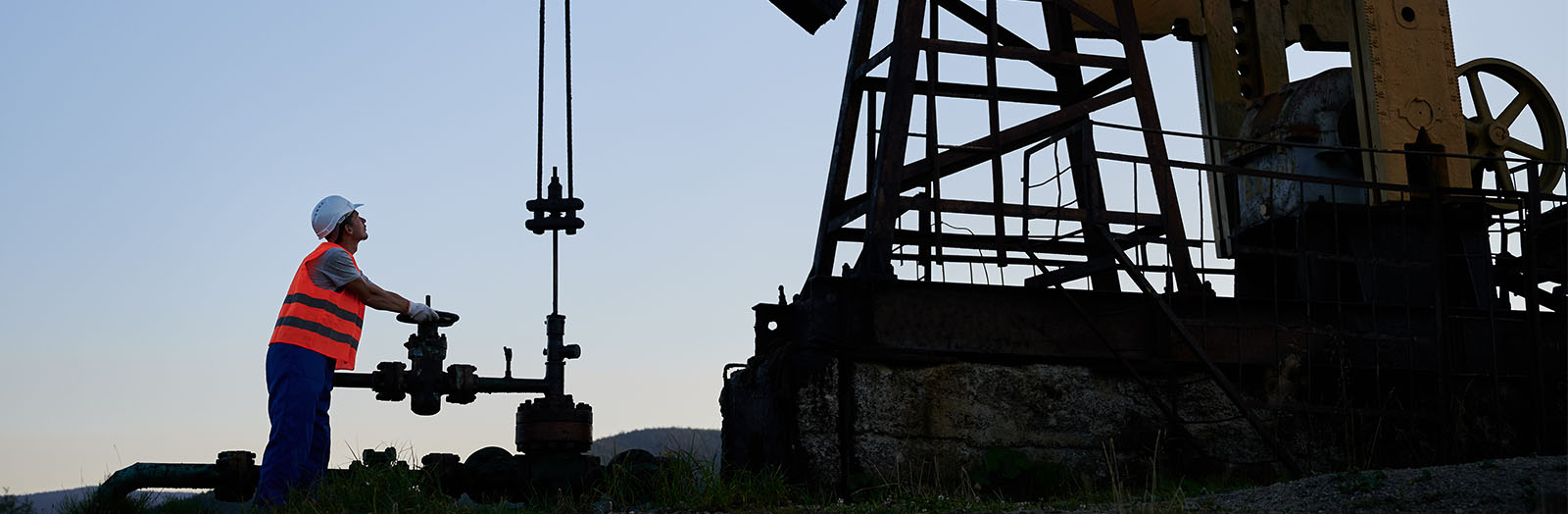
American oil in turmoil?
President Trump wants lower prices for American consumers – whether that be for medicines, energy, eggs, or even interest rates, which reflect the cost of borrowing.
Lower prices for American households
All announcements relating to tariffs point in the same direction: to hit imported products with entry taxes at such levels that, sooner or later, sellers will be forced to lower their prices if they want to retain American customers. The pharmaceutical giant Pfizer has just provided the perfect example of this by slashing the price of certain medicines in exchange for three years’ immunity from US tariffs.
Shale oil hit hard
One sector is particularly vulnerable in this context: oil, due to the difficulties faced by the many shale oil producers. This unexpected collateral victim is important because it accounts for around two-thirds of total oil production in the U.S., close to 8% of GDP, and is a major factor in the trade balance and public finances.
Immediately after taking office, the president declared a “national energy emergency”, promising that the country would “drill” as much as possible in order to reduce energy costs for consumers. However, according to the latest survey by the Federal Reserve Bank of Dallas, business leaders complain that the administration’s support for low prices, combined with chaotic decision-making, is frightening investors and is actually leading to rising costs. There is growing anger is the sector as the government is accused of having a limited understanding of the shale economy. Since January, the price of West Texas Intermediate – the benchmark for US crude – has fallen by 18%. Executives surveyed by the Fed explained that drilling becomes unprofitable when the price falls below $60 a barrel and that, with the market currently oversupplied, the entire sector is under threat. The Trump administration is pushing for a price of $40 per barrel, which would effectively eliminate shale oil drilling. Another executive points out that, with tariffs of 50% on steel and aluminium, shale oil production costs are rising, achieving the opposite of the intended effect! Unsurprisingly, activity has fallen in recent weeks and pessimism is spreading among market players.
Fear of a boomerang effect
Despite Trump’s declared support, the industry has said it fears being caught in the crossfire of the White House’s attacks on renewables. Since taking office, Donald Trump has cut back the Joe Biden-era tax credits for clean energy technologies and issued orders to halt major projects such as Equinor’s Empire Wind offshore wind farm southeast of Long Island and Ørsted’s Revolution Wind project, which was to provide power to over 350,000 households in Rhode Island and Connecticut.
The shale oil sector now fears that a future administration could impose stricter regulations on methane emissions or applying stricter sanctions when granting drilling permits. The sector fears a boomerang effect from the policy pursued by the Trump administration.