

Gold: a strategic and mysterious market
The appreciation of the gold price in recent years can partly be explained by central banks seeking to diversify their reserves. Yet the gold market remains opaque and full of mystery. Understanding, analysing and predicting gold demand is a real puzzle for analysts.
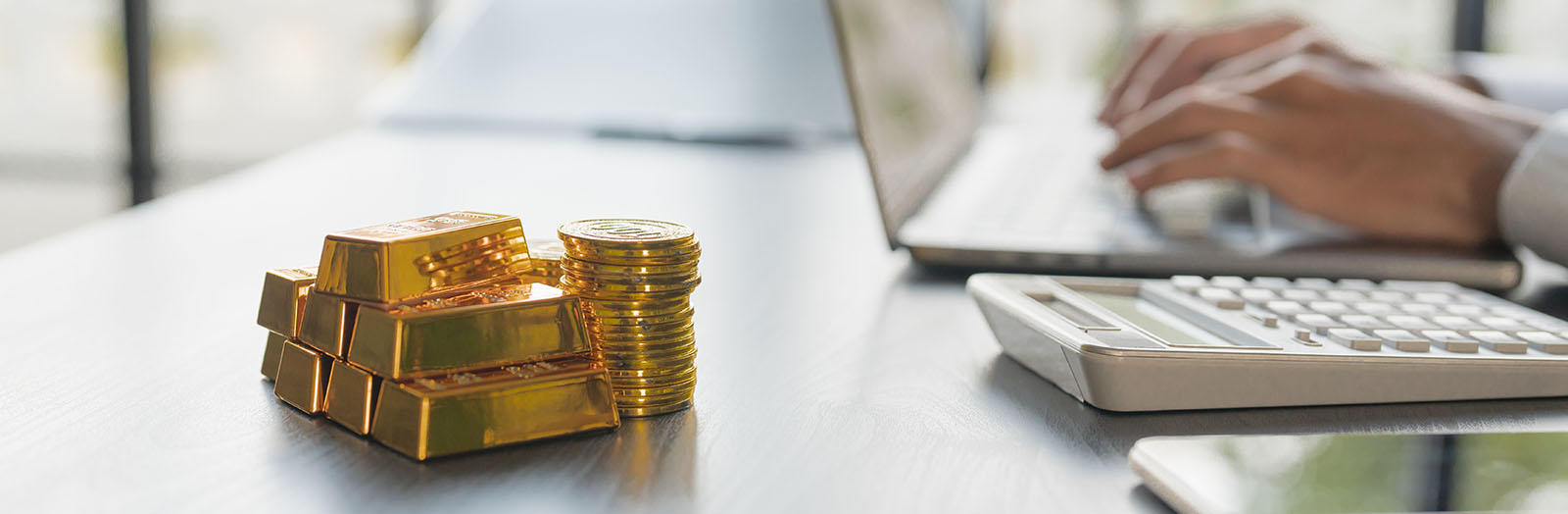
The mysteries of gold
The surge in the gold price has not gone unnoticed. Recently, the yellow metal has stood out as one of the most profitable assets for investors. Several factors explain this remarkable performance. Let’s take a closer look at this highly unusual market.
Why is the gold price rising?
To understand its appreciation, we first need to consider the actions of central banks, particularly those in China, Turkey, India, Russia, and other Asian and Middle East countries. Since 2022, they have been buying gold for three key reasons:
- To reduce their dependence on the US dollar
- To secure their reserves in times of uncertainty
- To protect themselves against international sanctions
These large-scale purchases continue to create extremely strong structural demand, driving prices upwards. What is less well known, however, is that there is significant uncertainty surrounding the quantities actually purchased by central banks, which makes gold a very particular commodity.
Gold to reduce exposure to the dollar
This strong demand for gold can be explained by several factors: the geopolitical context; the desire to move away from the US dollar, especially since Donald Trump returned to the White House; the resurgence of inflation; and a shift towards a world of very low real interest rates. These historically low, or even negative, real interest rates (interest rates adjusted for inflation) greatly reduce the “opportunity cost” of holding gold in a portfolio. The main argument against investing in gold is often that it “does not yield anything”.
Recent geopolitical tensions and crises have naturally boosted interest in gold as a safe haven. On top of this, demand from China and India has increased sharply.
One issue that deserves attention is the opacity surrounding central bank purchases, which makes this market difficult to interpret. The World Gold Council recently suggested that China’s undeclared gold purchases could be more than 10 times higher than the official figures. The volumes published by the Chinese central bank this year have been so low this year – 1.9 tonnes in August, 1.9 tonnes in July and 2.2 tonnes in June – that very few market participants trust them.
Underestimated gold reserves
Unlike oil, which can be monitored by satellite, it is impossible to trace the movement of gold. Where does the gold go? Who buys it? It’s a mystery. All we know is that China is looking to reduce its dependence on the U.S. dollar and is increasing its gold reserves, although the pace at which it is doing is not clear. Current estimates suggest that China’s real reserves could be around 5,000 tonnes, which is double the official published figure. According to the World Gold Council, the share of gold in global reserves outside the United States has risen from 10% to 26% over the past decade. Gold is now the second most important reserve asset after the dollar. However, the proportion of gold purchases reported to the IMF, which collects this data on a voluntary basis, is falling. Last quarter, according to WGC estimates based on Metals Focus data, only around one third of official purchases were publicly declared. Four years ago, around 90% of gold purchases were still officially reported.
Why the secrecy? Central banks may choose not to report their gold activity in order to avoid influencing the market or for political reasons. Some central bankers fear that publicly buying gold, which is often seen as a hedge against the dollar, could worsen relations with the Trump administration. The United Kingdom in the past paid a high price for its transparency when it announced plans to sell half its gold reserves, triggering a drop in prices that proved costly.
China: a key player in the global gold market
Although it is the world’s largest consumer of gold China is also one of the least transparent markets. Analysts, therefore, need to develop their own estimates based on import data, assumptions and guidance. China is also the world’s largest gold producer, accounting for around 10% of global production. This enables the Chinese central bank to purchase investment gold within its domestic market to build up its reserves.
This analysis illustrates the difficulty of forecasting the future price of gold. While we can assess supply, understanding demand remains far more complex.
Some markets retain their share of mystery, even the most traditional ones. Food for thought!