

Türkiye: opportunity, complexity and how to navigate both
In our first two blog posts, we looked at Türkiye’s history and economy. In this final part, we focus on what this means in practice for companies doing business in the country.
Türkiye offers clear advantages. With 86 million inhabitants, a strategic location between Europe, Asia and the Middle East, a strong industrial base and close trade links with the EU, it can serve as both a production platform and a regional hub.
At the same time, companies need to manage a complex operating environment shaped by inflation, exchange-rate volatility, geopolitical tension, legal uncertainty and earthquake risk.
A strategic gateway
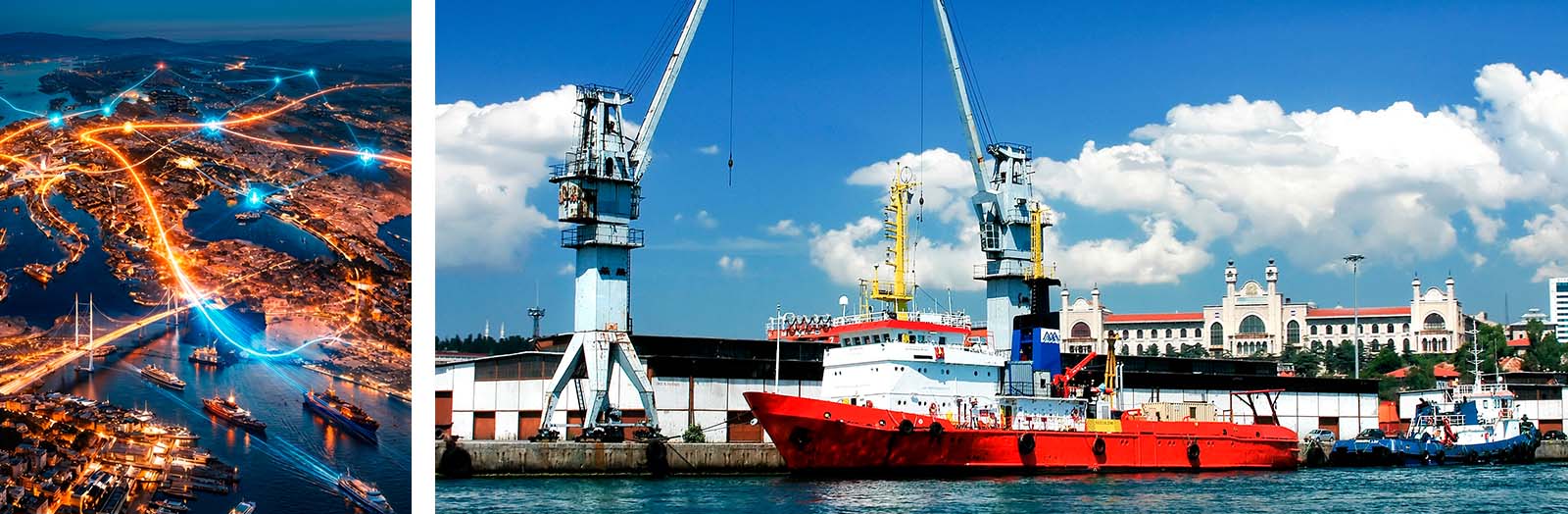
Türkiye’s location is one of its greatest assets. The country connects Europe with Asia and is increasingly positioning itself as a transit hub.
For European companies, Türkiye is also attractive because of its customs union with the EU. Industrial goods manufactured in Türkiye can enter the European market without tariffs, making the country relevant for nearshoring, manufacturing and regional distribution.
Managing volatility
The business potential is real, but volatility is part of the landscape. High inflation and currency movements can quickly affect prices, margins, contracts and financing.
Successful companies often adapt by sourcing more locally, invoicing in hard currencies where possible, using shorter contracts and applying indexation clauses. In this environment, strong financial management is central to doing business well.
People, culture and partnerships
Türkiye’s labour market is another important strength. The country has a young population, a large pool of graduates and a strong supply of engineers and professionals in its main industrial hubs.
Business culture is dynamic, pragmatic and relationship-driven. Negotiation is part of the process, and trust often develops beyond the meeting room. Local knowledge matters, especially when dealing with regulation, language, contracts, permits and business customs.
For foreign companies, the choice of local management or local partners can make a major difference.
Opportunities and risks
For Belgian companies, Türkiye should not be seen as an easy market. But neither should it be ignored. Its opportunities include its strategic location, access to the EU market, a skilled workforce, investment incentives and broad sector potential. Its risks include inflation, exchange-rate volatility, political and legal uncertainty.
The companies that succeed are those that prepare carefully, choose the right partners, manage currency and operational risks actively and take a long-term view.
Want to go further?
This blog concludes our three-part series on Türkiye.
In our full guide, we explore the country’s history, economic trajectory and business environment in more detail, including practical insights for companies considering the market.